Activity 4
E 4.1- Investigate that earth materials are composed of rocks and soils and correctly use the vocabulary for rocks, minerals, and soils during these investigations.
Since my class are 4th grade level students I'm going to want to make sure to make my project I give them visual. I would want to have my students do a rock collection and make sure I give them a little free rain on what they collect. Making sure they identify the different rocks and soils by themselves on what they collect would be key as well so they know new vocabulary.
E.4.2 Show that earth materials have different physical and chemical properties, including the properties of soils found in Wisconsin.
Giving my students a map of the country and teaching my students about where each stone or chemical found in each region would be the start. Then after that I would talk about the mining in Wisconsin and also the amount of limestone found as well. Teaching also about the ice age and the reason each region has what it does would be the follow up.
A.4.4 When studying science-related problems, decide which of the science themes are important
My class is young so I don't want to talk about anything too in depth and complicated. speaking about how expensive running tests and experiments would be a start but I really don't know what else id say. I would probably lead then to talk about limited resources and such.
B.4.1 Use encyclopedias, source books, texts, computers, teachers, parents, other adults, journals, popular press, and various other sources, to help answer science-related questions and plan investigations.
Okay I want to avoid textbooks and encyclopedias as much as possible with a fourth grade class because when I was that age I know I didn't learn anything from them. But I think using computers would be important because in this day and age that is how they learn best. making things relevant to them is important to me because I think the students would respond best that way, I know I do when teachers do that im my classes.
F.4.1 Discover* how each organism meets its basic needs for water, nutrients, protection, and energy* in order to survive
Starting with humans would be a good idea to make the subject relevant to the students, then moving through the food chain would be a good way to transition. Going from the stuff higher on the food chain and then going to smaller and smaller thing would be the best idea.
H.4.2 Using the science themes*, identify* local and state issues that are helped by science and technology and explain* how science and technology can also cause a problem
Invasive species, extinction and also the fact that cell phones are making it hard for bees to pollinate are only a few things that I could talk about. science yes does improve things and so does technology but also I would focus on how it hurts things. With the next generation people focus far too much on technology and use it more than they need too. Making sure they are conscious of the environment and how beautiful the world actually is how I would go about this.
1. What do you see are big changes compared to the previous standards?
These days the standards focus way too much on specific things and my mind. That is the main difference, I don't think there is any room anymore for creativity. We need to take another look at these standards and stop teaching to the test, but to do so we need to adjust our standards.
2. How are these standards connected to the other disciplines such as math and literacy?
I really like how these days we co-mingle subjects and disciple areas, I think we need to do this more. It is important because in the real would you don't just focus on one thing you need to be able to take your expertise and tie it in with other areas. Those skills are more important than having a ton of knowledge in just one area.
What do you see will be challenges for teachers when considering some of the changes in the proposed science standards?
I think that the biggest challenge is going to be making it fun for students. Since these is so much stress on passing tests and being as smart as possible it takes fun away from school, and I think that science should be one of the most fun subjects. These will be a fine line in how much fun a teacher can have with the students and still be able to give them all the knowledge they must learn will be the most difficult.
Friday, January 17, 2014

Activity 3

H2O IUPAC name- water

Vinegar IUPAC name- Acetic acid


Wood molecule. IUPAC name of wood alcohol- methanol


20 molecules that I use everyday
Salt IUPAC name- sodium chloride
Molecular formula- NaCl

Pepper IUPAC name- 8-Methyl-N-vanillyl-trans-6-nonenamide
Molecular formula- C18H27NO3

vinegar- IUPAC name- Acetic acid
Molecular formula- C2H4O2

coffee (caffeine)- IUPAC name- Trimethyl-1H-purine-2,6(3H,7H)-dione
Molecular formula- C8H10N4O2

milk IUPAC name- β-D-galactopyranosyl-(1→4)-D-glucose
Molecular formula- C12H22O11

Sugar IUPAC name- hydroxymethyl
Molecular formula- C12H22O11

Butter IUPAC name- Butanoic acid
Molecular name- C4H8O2

orange juice IUPAC name- hydroxypropane-1,2,3-tricarboxylic acid
molecular formula- C6H8O7

Asprin- IUPAC molecule- acetoxybenzoic acid
molecular formula- C9H8O4

Ibuprofen IUPAC name- (phenyl)propanoic acid
Molecular formula- C13H18O2

Calcuim IUPAC name- Calcium carbonate
molecular formula- CaCO3

Gasoline IUPAC name- Octane
Molecular formula- C8H18

Cocoa plant- 7-dimethyl-1H-purine-2,6-dione
Molecular formula- C7H8N4O2[1]

Cotton- IUPAC name- Cellulose
Molecular formula- (C
6H
10O
5)
n

Grass IUPAC name- Carbonyl dichloride
Molecular formula-

Floride IUPAC name- Fluoride[
Molecular formula- F−

Wax IUPAC name- paraffin
Molecular formula- C20H42

Gluten IUPAC name- Opioid peptide
Molecular formula- C29H37N5O9

Water IUPAC name-
Water
Oxidane
Molecular formula- H2O

3. If you look at the bonds between them most of it started with hydrogen and oxygen, and if you think about it both are very susceptible to bonding because of their make up.
A lot of them looked the same, milk was similar to the other liquids and the medicine was very similar.
4. IT stands for the international union of pure and applied chemistry.
5. People these days really are trying to be healthier and consume and surround themselves with products that are organic. They are trying to avoid harmful chemicals, especially in foods, if you notice what all companies these days are doing it would make you not want to eat food all. That's why people are trying to consume products that are the least genetically mortified.
H2O IUPAC name- water
Vinegar IUPAC name- Acetic acid
Wood molecule. IUPAC name of wood alcohol- methanol
20 molecules that I use everyday
Salt IUPAC name- sodium chloride
Molecular formula- NaCl
Pepper IUPAC name- 8-Methyl-N-vanillyl-trans-6-nonenamide
Molecular formula- C18H27NO3

vinegar- IUPAC name- Acetic acid
Molecular formula- C2H4O2
coffee (caffeine)- IUPAC name- Trimethyl-1H-purine-2,6(3H,7H)-dione
Molecular formula- C8H10N4O2

milk IUPAC name- β-D-galactopyranosyl-(1→4)-D-glucose
Molecular formula- C12H22O11

Sugar IUPAC name- hydroxymethyl
Molecular formula- C12H22O11

Butter IUPAC name- Butanoic acid
Molecular name- C4H8O2

orange juice IUPAC name- hydroxypropane-1,2,3-tricarboxylic acid
molecular formula- C6H8O7
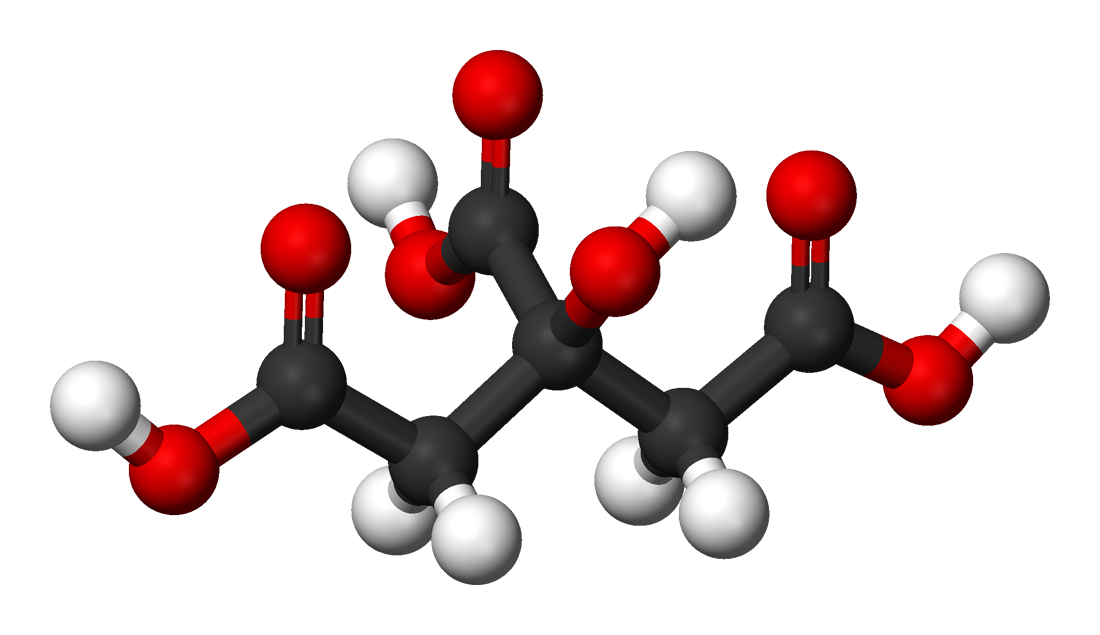
Asprin- IUPAC molecule- acetoxybenzoic acid
molecular formula- C9H8O4

Ibuprofen IUPAC name- (phenyl)propanoic acid
Molecular formula- C13H18O2

Calcuim IUPAC name- Calcium carbonate
molecular formula- CaCO3

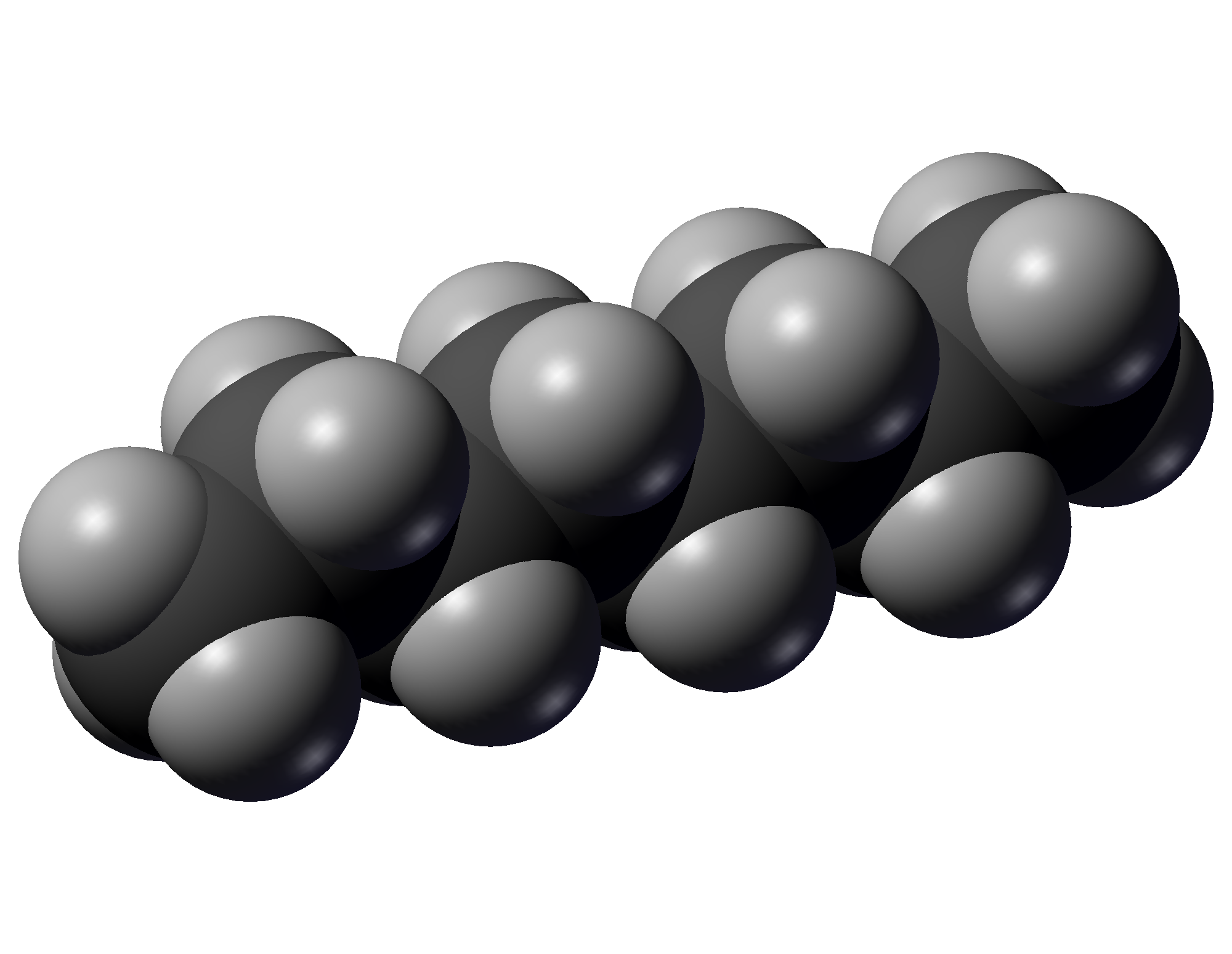
Gasoline IUPAC name- Octane
Molecular formula- C8H18
Cocoa plant- 7-dimethyl-1H-purine-2,6-dione
Molecular formula- C7H8N4O2[1]

Cotton- IUPAC name- Cellulose
Molecular formula- (C
6H
10O
5)
n

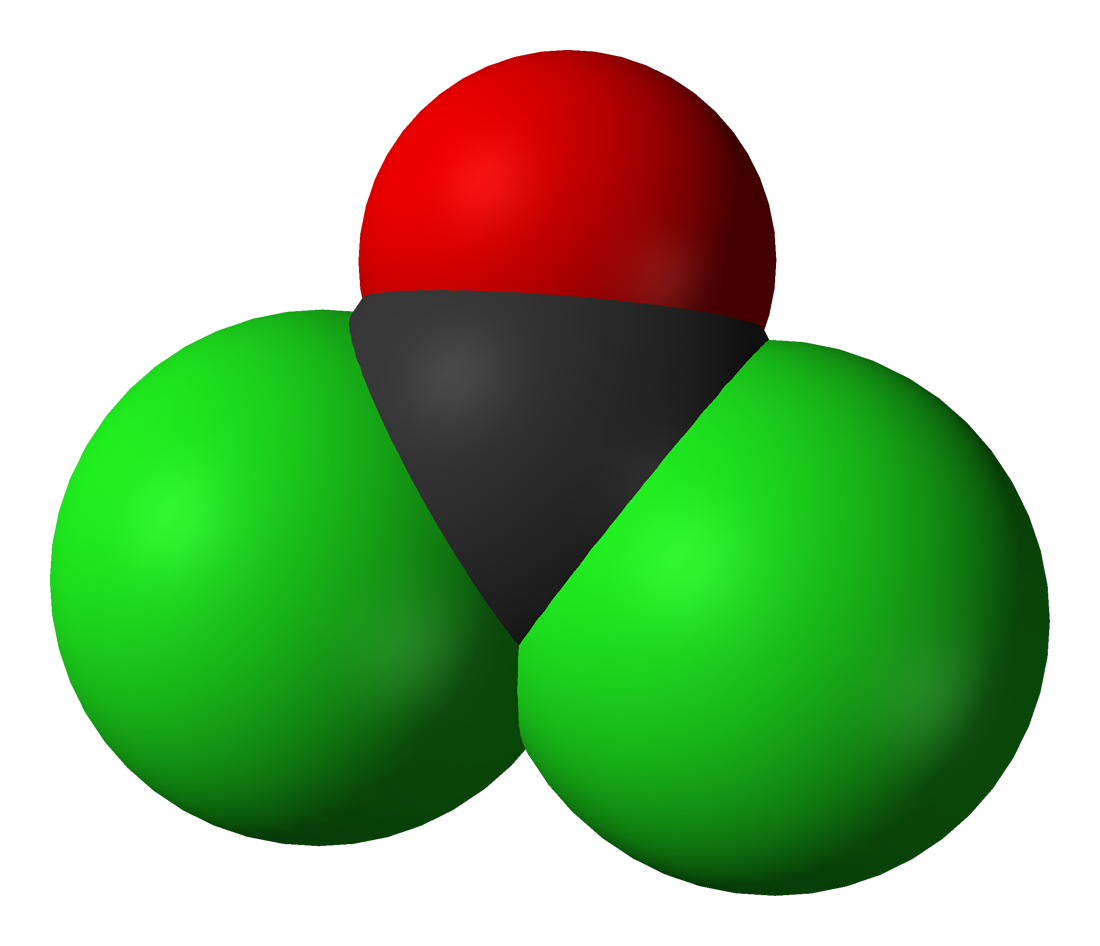
Grass IUPAC name- Carbonyl dichloride
Molecular formula-
| CCl2O |
Floride IUPAC name- Fluoride[
Molecular formula- F−

Wax IUPAC name- paraffin
Molecular formula- C20H42

Gluten IUPAC name- Opioid peptide
Molecular formula- C29H37N5O9
Water IUPAC name-
Water
Oxidane
Molecular formula- H2O

3. If you look at the bonds between them most of it started with hydrogen and oxygen, and if you think about it both are very susceptible to bonding because of their make up.
A lot of them looked the same, milk was similar to the other liquids and the medicine was very similar.
4. IT stands for the international union of pure and applied chemistry.
5. People these days really are trying to be healthier and consume and surround themselves with products that are organic. They are trying to avoid harmful chemicals, especially in foods, if you notice what all companies these days are doing it would make you not want to eat food all. That's why people are trying to consume products that are the least genetically mortified.
Activity 2

hydrogen- Atomic number 1
Atomic mass- 1.00794
Hydrogen is the first element on the table and there is only one proton (the popcorn) and one electron (the goldfish). The egg represents the nucleus. To make an isotope I would have to add a neutron to the model, it wouldn't be the same at all. It doesn't have a neutron at all and adding one would change the whole composition. Plus then I would need another snack food.....

Carbon- atomic number 6
atomic mass- 12.0107
Carbon has 6 protons, neutrons and electrons. the egg represents 6 neutrons and protons, the two goldfish on the first ring represent a full first ring. And the four on the outside circle represent four electrons. Adding an isotope I would have to put something in the middle by the egg to represent an extra neutron with the egg. For example adding two neutrons would make it carbon 12 or such.

Oxygen- atomic number- 8
Atomic mass- 15.9994
oxygen, like carbon has the same number of electrons, neutrons and protons. The egg represents 8 protons and 8 neutrons. the goldfish on the inside represent a full shell with two electrons and the 6 on the outer ring represent the outside shell. Adding something close to the egg would represent an increase in neutrons which would represent an isotope.

This excited state of oxygen is now missing an electrons in the inner shell, aka the goldfish are roaming free. (only the two closest to the nucleus.)
When an element gets excited its electrons are almost on speed, they go crazy. But the important thing than comes from this is that is that you will see a color change in the element when it comes back to its ground state. When thinking of exams of this think about a firework show. To have a good one a ton of different colors need to be used. The fireworks contain a ton of different elements and going through a chemical reaction allow them to get excited and then go back to ground level and this satisfies the audience at the show.
The periodic table was created to put the elements in order of their atomic make up. The higher one the table the less complicated and less protons neutrons and electrons the element has (that does not mean that they are less important by any means). Also each column represents a certain group for example (the noble gases). These are their to group what they appear not only to the human eye but also the elemental make up.
Alkali metals- sodium, potassium
Alkali earth metals- Barium, Radium
Transition metals- Zinc, copper
Halogens- fluorine, Chlorine
Metalloids or semimetals- Boron, Arsenic
Non-metals- Carbon, nitrogen
Noble gases- Neon, Xenon
hydrogen- Atomic number 1
Atomic mass- 1.00794
Hydrogen is the first element on the table and there is only one proton (the popcorn) and one electron (the goldfish). The egg represents the nucleus. To make an isotope I would have to add a neutron to the model, it wouldn't be the same at all. It doesn't have a neutron at all and adding one would change the whole composition. Plus then I would need another snack food.....
Carbon- atomic number 6
atomic mass- 12.0107
Carbon has 6 protons, neutrons and electrons. the egg represents 6 neutrons and protons, the two goldfish on the first ring represent a full first ring. And the four on the outside circle represent four electrons. Adding an isotope I would have to put something in the middle by the egg to represent an extra neutron with the egg. For example adding two neutrons would make it carbon 12 or such.
Oxygen- atomic number- 8
Atomic mass- 15.9994
oxygen, like carbon has the same number of electrons, neutrons and protons. The egg represents 8 protons and 8 neutrons. the goldfish on the inside represent a full shell with two electrons and the 6 on the outer ring represent the outside shell. Adding something close to the egg would represent an increase in neutrons which would represent an isotope.
This excited state of oxygen is now missing an electrons in the inner shell, aka the goldfish are roaming free. (only the two closest to the nucleus.)
When an element gets excited its electrons are almost on speed, they go crazy. But the important thing than comes from this is that is that you will see a color change in the element when it comes back to its ground state. When thinking of exams of this think about a firework show. To have a good one a ton of different colors need to be used. The fireworks contain a ton of different elements and going through a chemical reaction allow them to get excited and then go back to ground level and this satisfies the audience at the show.
The periodic table was created to put the elements in order of their atomic make up. The higher one the table the less complicated and less protons neutrons and electrons the element has (that does not mean that they are less important by any means). Also each column represents a certain group for example (the noble gases). These are their to group what they appear not only to the human eye but also the elemental make up.
Alkali metals- sodium, potassium
Alkali earth metals- Barium, Radium
Transition metals- Zinc, copper
Halogens- fluorine, Chlorine
Metalloids or semimetals- Boron, Arsenic
Non-metals- Carbon, nitrogen
Noble gases- Neon, Xenon
Friday, January 10, 2014
Activity One
Label the cups, fill them with one cup of water each, then freeze.
Controlled variables-
amount of water in the cups (one cup)
container waters in
freezing method
Question 1- Does cold water or hot water freeze faster?Controlled variables-
amount of water in the cups (one cup)
container waters in
freezing method
Hypothesis- I think that cold water will freeze quicker because the change in temperature the water needs to go through is a lot smaller than that of hot water. The molecules of the cold water are moving a lot slower and need less time to become a solid than the much quicker moving molecules of the hot water.
Materials needed?
a timer of any kind
a measuring cup
6 paper or plastic cups
a freezer
labels
hot and cold water
Trial #
|
Trial 1
|
Trial 2
|
Trail 3
|
Average time
|
Cold Water
|
1:21
|
1:19
|
1:22
|
1:20:30
|
Hot Water
|
2:04
|
2:01
|
1:55
|
2:00
|
Conclusion- The cold water froze much quicker than the hot water.
Theory- Since the molecules of the water have to be slowed down a lot more in the hot water than the cold water it just takes more time. That is why there is a 40 second difference in.
Question 2- Does hot water or cold water boil faster?
hypothesis- since the molecules are already moving faster in the hot water then in the cold water they wont have to work as hard to become a gas and boil. Therefor the hot water will boil more quickly than the cold.
what you need-
a source of constant flame
pot to heat the water in
hot and cold water
a timer
controlled variables
how hot the flame is
size of the pot you use
amount of water
Make sure the heat stays constant for all tests!
Trial #
|
Test 1
|
Test 2
|
Test 3
|
Average
|
Cold water
|
4:11
|
4:37
|
4:17
|
4:23
|
Hot water
|
3:22
|
3:07
|
3:31
|
3:16
|
Conclusion- hot water boils faster than cold water
Theory- the difference is more than one minute in time between hot and cold water. This is due because the temperature has to change so much less in hot water to boil than cold water does. The molecules in hot water work a lot less to get farther apart and become a gas.
Question 3- which freezes faster salt water or regular water?
hypothesis- I think that the regular water will freeze faster because when salt it in water it makes the water molecules attach to each other more slowly and overall move more slowly.
materials needed-
6 plastic or paper cups
water
salt
a teaspoon
a measuring cup
Controlled Variables-
the amount of water in the cups
using the same freezer
amount of salt in each cup
Conclusion- salt water freezes slower than regular water does
Trial #
|
Test 1
|
Test 2
|
Test 3
|
Average
|
Regular water
|
1:52
|
2:02
|
2:11
|
2:02
|
Salt water
|
2:12
|
2:04
|
2:18
|
2:11
|
Theory- this happens because the element salt makes waters molecules move slower than normal. Do to this fact they aren't able to heat up or cool down as fast and turn into either or gas or in this case a liquid.
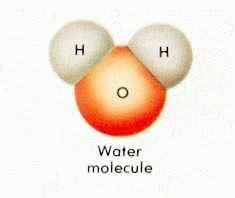
Saltwater molecule
a video of water in the stages of its life- http://www.youtube.com/watch?v=essJjFBJIss
The scientific method-
Question- this is the big picture and big question you are trying to have answered at the end of your experiment, it is your overall goal. The question in this experiment was about how water could be altered to slow down or speed up the time it took to change forms.
Background research- it is important to someone to be familiar with the materials and what your going to be working with not only so you have knowledge but also for safety reasons. Before I did this experiment I just watched a video on the stages of matter and also looked at pictures of the water molecule and salt molecules.
Conduct a hypothesis- it is important to do this so you have a guess on what you think is going to happen. This makes you motivated to find an answer and find out if your right. In my case I had to make a hypothesis for each of the three questions asked, and it was important because I was able to already be thinking about what was going to happen.
Experiment- this is actually doing the experiment, and it is the most important part of the scientific method because this answers your question. It either proves your hypothesis right or disproves it. In my experiment it is important because doing them is the only way to gather data and come to a conclusion.
Analyze data- this is when you look at what you found from the experiment and use it to decide what it means. In my experiment it helped me figure out what exactly salt, temperature and heat do to water.
Make a conclusion- This is finalizing your experiment. the last part is to make something out of the data you got and wrap up your results. For me I just had to look at the average time and make it clear on what happened and what results were for each experiment.
Repeatability of the experiment- you can't just relay on one trial to ensure that you come up with a correct result. In this case I did the trials 3 times and averaged them out. This makes sure that nothing freaky happened to change your results and make you get the wrong one. Usually the results wont all be the same so averaging them out makes it easier to decipher your results.
How this experiment connects to real life?
Thinking about water in each stage of its life may seem pretty boring, well to be honest it kind of is. But to be honest it does it does have a lot to do with everyday life. I know never to put salt in my water if I'm going to make pasta because the water will just take longer to boil.
Also the measurements are important because I did a few different amounts of water when I boiled and froze it and it almost took half the time when I used a smaller amount of water. If you think about it it makes sense though because it take a lot less to heat a small room than a big one. So when Im looking for a new apartment I will keep in mind that if I don't want to pay a ton to heat it be okay will living in a ten by ten room.
Knowing salt makes water freeze a lot slower it makes sense that they use it on roads and my driveway. They really don't use it in Menominee though lest be honest. They rarely use sand...and we all know how much that does.
Subscribe to:
Posts (Atom)